
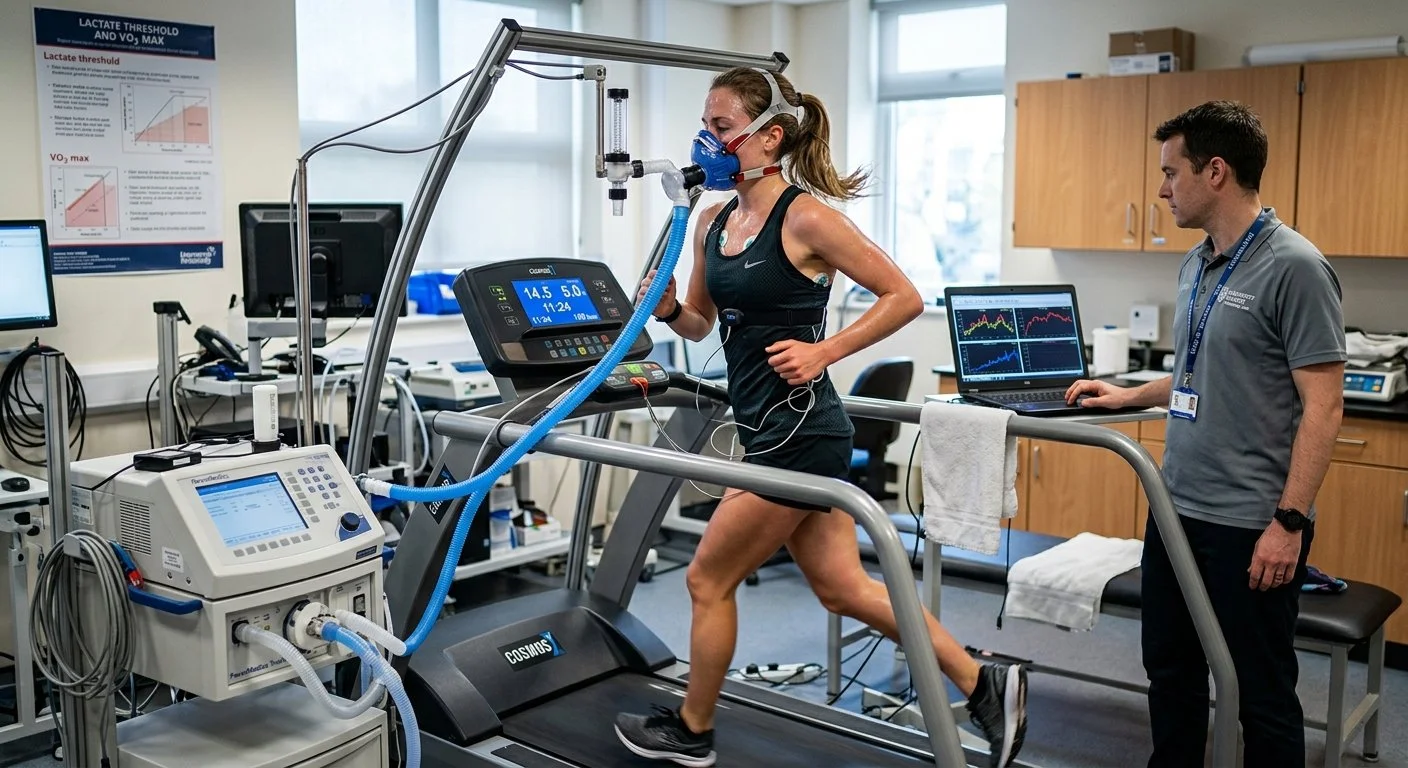
What Is VO2 Max and Why You Should Care
VO2 max — maximal oxygen uptake — is a measure of the maximum rate at which your body can consume oxygen during sustained intense exercise. It reflects the integrated efficiency of your cardiovascular system, your lungs, your blood's oxygen-carrying capacity, and your muscle cells' ability to extract and use that oxygen to produce energy.

How to Know If Your Hormone Therapy Is Actually Working
Hormone therapy is not a light switch. It does not produce immediate, obvious results for most people. The changes are often gradual, sometimes subtle at first, and occasionally confused by the fact that other variables — sleep, stress, diet, body composition — are also shifting at the same time.

Body Composition vs. the Scale
Two people can weigh exactly the same and have completely different bodies, completely different metabolisms, and completely different health trajectories. The number tells you they weigh the same. It tells you nothing else.
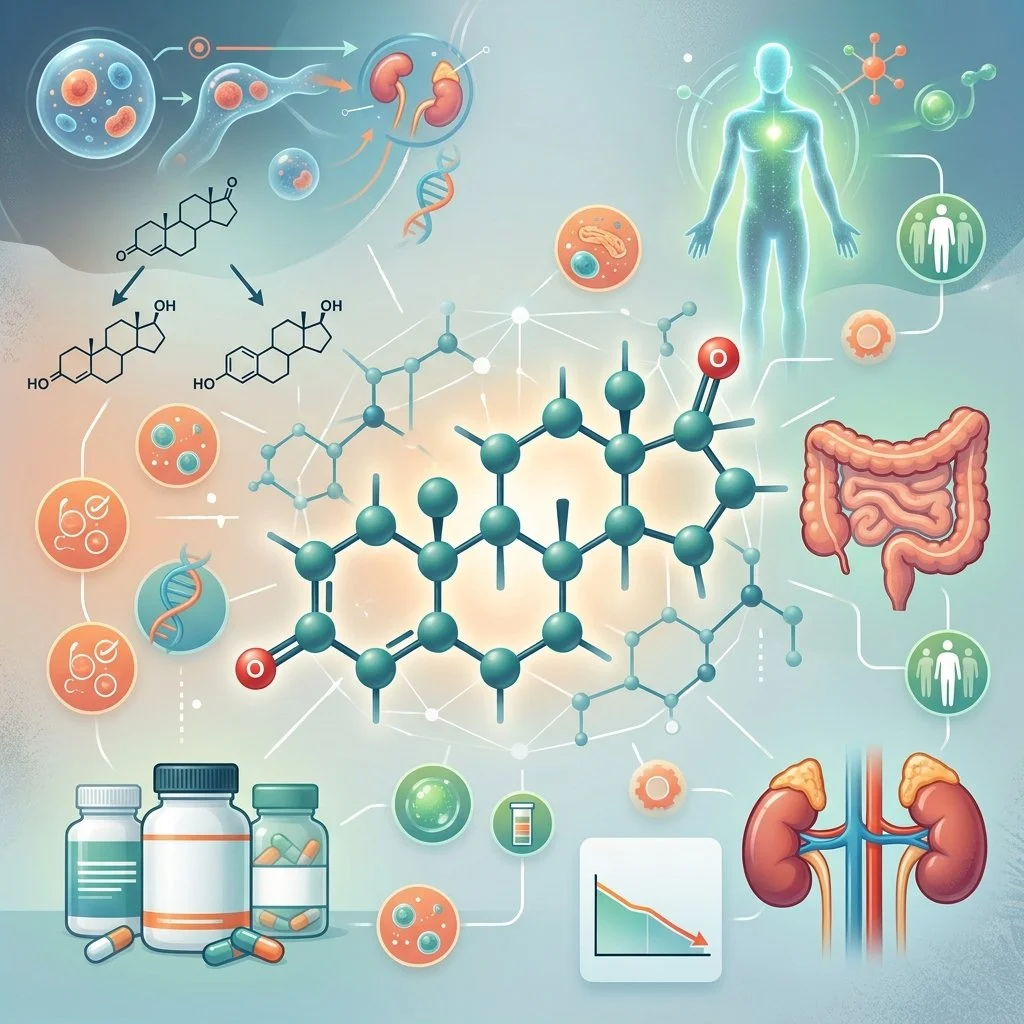
The Forgotten Adrenal Hormone
DHEA — dehydroepiandrosterone — is a steroid hormone produced primarily by the adrenal glands, with smaller contributions from the ovaries in women and the testes in men. Its sulfated form, DHEA-S, is what we measure in a blood test — it's more stable in circulation and gives us the most reliable clinical picture of adrenal androgen output.
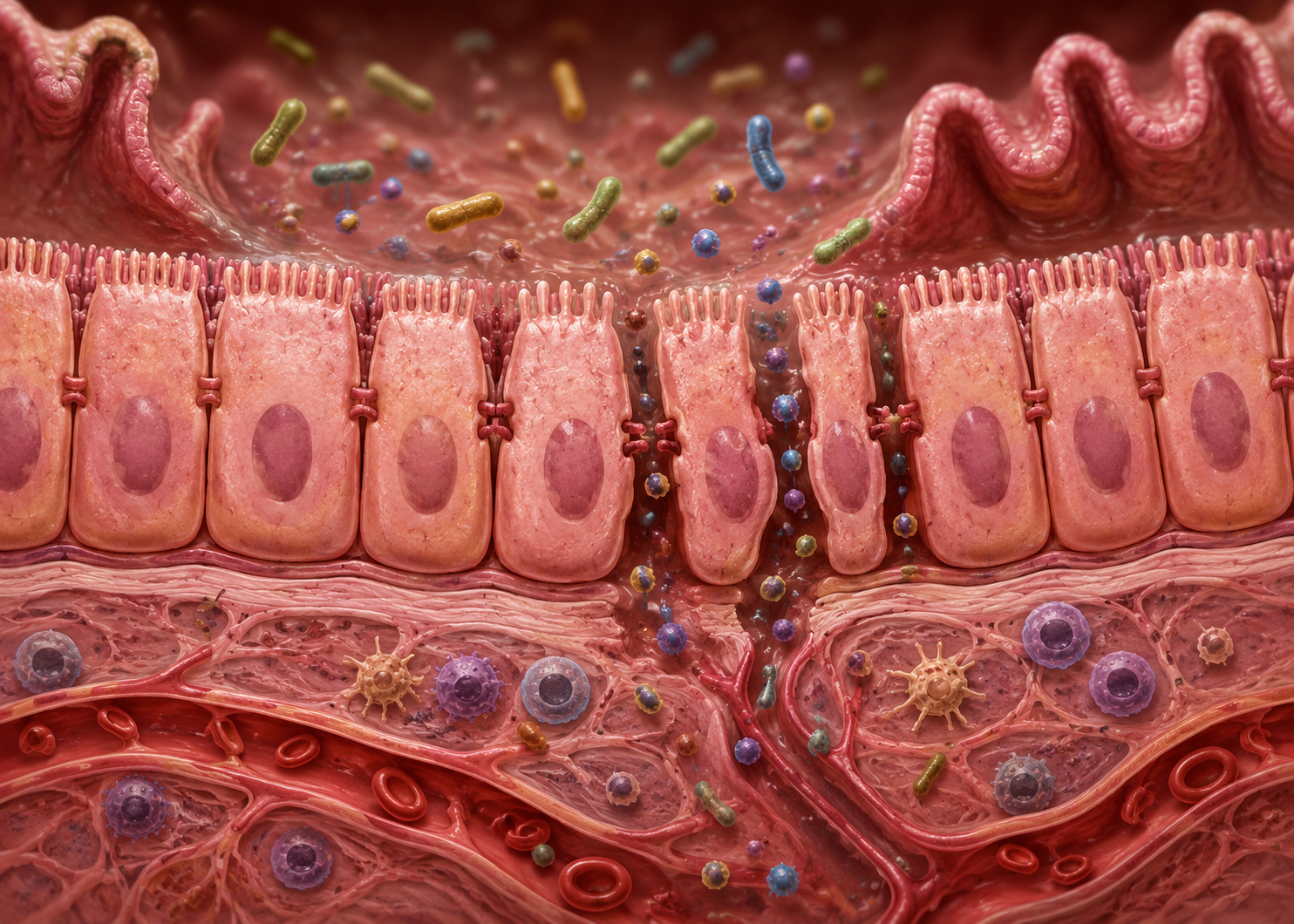
The Gut-Hormone Connection
The intestinal lining is protected by tight junction proteins — molecular doorways between intestinal cells that are carefully regulated to allow nutrients through while keeping harmful substances out. When the microbiome is dysregulated — too few beneficial species, overgrowth of harmful ones — it compromises these tight junctions. The gut becomes more permeable than it should be.

What Is ApoB?
Apolipoprotein B — ApoB — is a protein found on the surface of every atherogenic lipoprotein particle in the bloodstream. That includes LDL, VLDL, IDL, and Lp(a). Every one of these particles carries exactly one ApoB molecule. Which means ApoB is a direct count of the total number of atherogenic particles circulating in your blood.

What Is Insulin Resistance — And Why Is It Hiding in Your Labs?
Insulin is a hormone produced by the pancreas in response to rising blood sugar. When you eat — particularly carbohydrates — glucose enters the bloodstream and insulin is released to help cells absorb and use that glucose for energy. In a healthy metabolic state, this process is efficient and responsive. Blood sugar rises after eating, insulin is released, cells absorb the glucose, blood sugar returns to baseline.

IV Therapy — What It Actually Does, Who It's For, and What to Expect
Intravenous delivery bypasses digestion entirely. Nutrients go directly into the bloodstream and are immediately available to cells throughout the body. This allows therapeutic concentrations to be achieved that simply aren't possible orally — particularly for compounds like Vitamin C, magnesium, and B vitamins, where high oral doses often cause GI side effects before meaningful blood levels are reached.

The NOVA Approach to Men's Health
Men's testosterone levels have been declining at a population level for decades. The data is consistent across multiple countries and research groups: men today have roughly half the testosterone of men the same age in the 1970s. This is not individual variation. It is a measurable, population-wide shift driven by environmental factors, chronic stress, sedentary lifestyle, sleep disruption, nutritional changes, and endocrine-disrupting compounds that have become ubiquitous in modern life.

Perimenopause — How Early Can It Start? (And What to Do About It)
Hot flashes get the most attention. They're the symptom most commonly associated with menopause, and for many women they're significant. But hot flashes are not the primary driver of suffering for most women in perimenopause. The symptoms that affect quality of life most deeply — according to current clinical research — are the ones that are most easily attributed to something else.

The Hormone No One Talks to Women About
By the time a woman reaches her mid-30s, her testosterone level may already be 50 percent of what it was at its peak. By her 40s, the decline is often significant enough to be producing real, noticeable symptoms — symptoms that are frequently attributed to stress, perimenopause, depression, or simply life.

Your Thyroid and What it Does
Your thyroid is a small butterfly-shaped gland at the base of your neck, and it functions as the metabolic thermostat for your entire body. Every cell in your body has thyroid hormone receptors. Running a single thyroid test isn’t enough to understand the complexity of that organ.

The 10 Lab Tests Every Woman Should Ask For — And What They Actually Mean
The standard annual panel answers one question: are you acutely ill? It doesn't answer why you're exhausted, why your weight won't move, why your sleep has fallen apart, or why you don't feel like yourself. These ten labs do. A practical guide to the hormone tests most women have never been offered — and what each one actually reveals.

The Difference Between Managing Your Health and Actually Building It
"Everything looks normal." It's one of the most dismissive phrases in medicine — and one of the most common. This post is about the gap between not sick and truly well, why traditional healthcare has almost nothing to offer in that space, and what it actually looks like to build health before you're forced to fight for it.

What Are Peptides and Why Are People Using Them for Recovery and Anti-Aging?
Peptides are one of the most talked-about tools in longevity medicine right now — and one of the most misunderstood. They're not magic, they're not for everyone, and they're not something that should be ordered from a website. But in the right clinical context, they're a genuinely useful tool. This post explains what they are, how they work, and how the clinical decision actually gets made.

Semaglutide vs. Tirzepatide vs. Retatrutide: Which GLP-1 Is Right for You?
Semaglutide, tirzepatide, and retatrutide all work — but they work differently, and the right choice depends on where you're starting, what your labs show, and what your goals actually are. This post breaks down how each medication works, how they compare, and the piece most clinics never mention: what happens to your muscle while you're losing weight.

Hormone Changes After 40: What's Normal, What's Not, and When to Get Help
Something shifts in your 40s. The energy, the weight, the mood, the drive — things start moving in the wrong direction, and most people are told it's just aging. It's not. This post covers what's actually happening hormonally for both men and women after 40, what the updated research on HRT actually says, and why you don't have to accept a diminished version of yourself as the new normal.

How to Actually Read Your Blood Work — And Why "Normal" Isn't Always Optimal
"Your labs are normal." It's one of the most common things people hear — and one of the most frustrating, because normal doesn't mean optimal. In this post I walk through the markers most standard panels miss, the combinations that tell the real story, and why a single number in isolation almost never gives you the full picture.

Alcohol and Your Health Goals: Progress, Not Perfection
Most people know alcohol isn't great for them. Fewer people know it raises cortisol for up to 24 hours, pauses fat metabolism entirely while your liver clears it, lowers testosterone, degrades sleep quality, and works directly against GLP-1 medications. This post covers the honest clinical picture — and a realistic approach to alcohol that doesn't require giving up everything you enjoy.

Not All Peptides Are Created Equal — What to Ask Before You Start
The same peptide can be purchased from a dozen different sources at a dozen different prices. Most people assume the difference is markup. It usually isn't. It's quality — and in the peptide market, quality determines whether what you're injecting actually works. Here's what pharmaceutical-grade sourcing actually means, and the questions every patient should ask before starting a protocol.